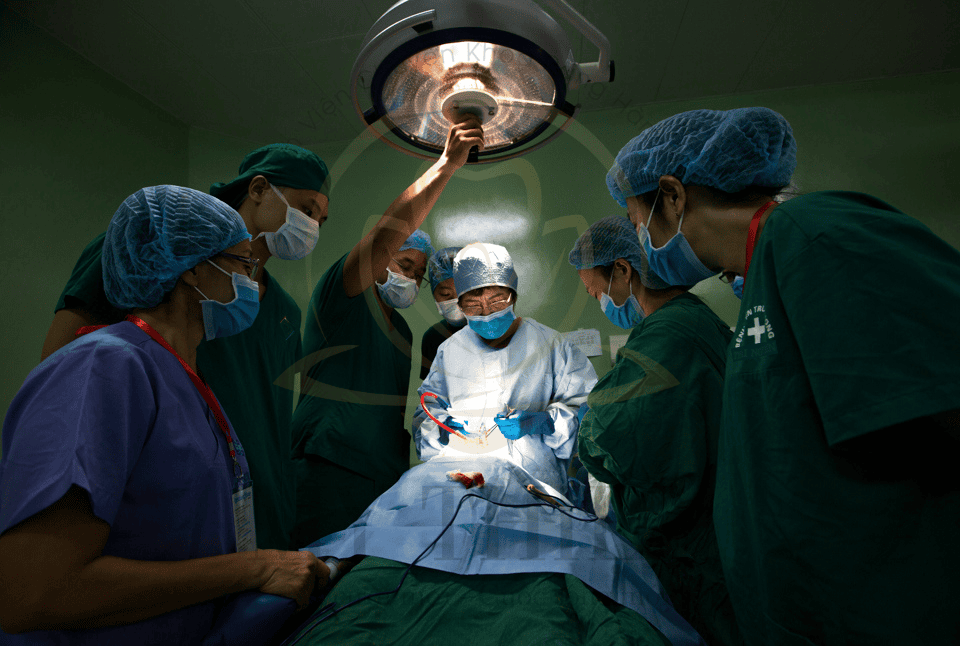
Maxillofacial injuries are very common in today's life. It accounts for about 10% of all types of injuries and can occur at all ages with many different types of injuries, from simple to complex, due to many different causes and mechanisms. Since then, the need for examination and treatment of maxillofacial injuries has gradually increased in recent times. In Vietnam, the population density and urbanization rate are increasingly high, while the number of hospitals or medical facilities with adequate conditions and appropriate facilities for examination and treatment is still quite limited. mechanism.
For More Details:
15.000.000 đ
MAXILLARY INJURIES ARE MAINLY DUE TO THE FOLLOWING CAUSES:
Traffic accidents: are the main cause, of which motorbikes account for the highest proportion: 45.4%. Other traffic accidents: 33.2% (cars, bicycles...). Due to the rapid development of means of transport, the development of road infrastructure has not kept up with the development of means of transport, and the awareness of road traffic rules of traffic participants is not good.
Labor accidents: accounting for 6.9%, accidents occurred while the victims were participating in production labor, due to unsafe labor, manual labor did not comply well with labor regulations.
Daily life accidents: account for 3.04%, due to fights, falls, burns, children playing with slingshots.
Due to other accidents: accounting for 11.18%, such as accidents caused by sports, animal bites, fire weapons...
Depending on the nature and extent of damage, maxillofacial injuries can be classified into two types: soft tissue injuries and bone injuries.
1. SOFTWARE INJURIES
Soft tissue injuries in the maxillofacial area include:
Scratches and wounds
Contusion wound
Torn wound
Penetrating wound
Snakehead wound
The wound is lacking
Burn wound
Wounds caused by fire
The soft tissue of the maxillofacial area has a very rich vascular system, so it usually has good nourishment and healing conditions in most cases. However, if not treated properly, it can easily leave sequelae such as bad scars, shrinkage scars, causing loss of aesthetics and hindering function.
The facial area has skin-attaching muscles that are responsible for the function of expressing emotions and are controlled by the facial nerve (nerve VII). They are easily damaged in deep lacerations, causing localized facial paralysis or the entire affected side. At the same time, salivary glands and ducts can also be broken, causing prolonged saliva leakage...
For soft tissue injuries in the maxillofacial area, it is necessary to assess the damage properly and sufficiently. At the same time, early treatment, good debridement, thorough hemostasis and closure, ensuring good aesthetic function, and appropriate treatment plans when important structures are damaged. This requires intensive treatment interventions such as plastic surgery and microsurgery.
2. BONE INJURY/PATHOLOGIC FRACTURE
Bone injuries are often classified according to the fracture location of the maxillofacial bone as:
Midface fracture:
Complete transverse fracture: Lefort I, II, III maxillary fracture
Fracture along the middle and side of the maxilla
Fracture of teeth and alveolar bone of the upper jaw
Fracture of the lower surface
Mandibular body fracture: chin area, horizontal branch, jaw angle, high branch
Condylar fracture
Multiple fractures of the lower jaw
Broken teeth and alveolar bone of the lower jaw
Fracture of the zygomatic complex
Fracture of the nose-ethmoid-orbital complex (NOE fracture)
PRINCIPLES OF TREATMENT OF MAXILLARY TRAUMA
The general principle when treating maxillofacial injuries, like other types of injuries on the body, is to always put the patient's life first. Prioritize treatment of high-risk serious injuries. For maxillofacial injuries, functional and aesthetic treatment always go together, requiring meticulousness and dexterity.
1. EMERGENCY TREATMENT
Prevention of acute suffocation: Control tongue prolapse, remove phlegm, blood clots, foreign objects, stop bleeding if there is a bleeding wound in the mouth, then intubate or lower tracheostomy if necessary.
Bleeding prevention: Hemostatic pressure bandages, clips or sutures to stop bleeding wounds in place, insert meche in the front and back nose, combine pressure bandages (combined with tracheostomy), ligation of local arteries in the bleeding area , external carotid artery, common carotid artery.
Shock prevention: Closely monitor the condition of the whole body's pulse, blood pressure, breathing rate, ensure good ventilation, timely and effective hemostasis, pain relief, and adequate fluid replacement.
2. WOUNDS TREATMENT
a. Management of soft tissue wounds: Economical excision for torn lesions, suturing at the correct anatomical layer, closed suturing for early wounds, sparse suturing or directional suturing with drainage for late wounds. In case there is a defect, it must be treated to different degrees depending on the width of the defect, with wide dissection and suturing if possible or creating sliding, rotating, pushing flaps or pedicled flaps to close the defect.
b. Treatment of bone injuries: Depending on the level of bone damage, conservative treatment or surgical treatment can be chosen.
Conservative treatment: fixed correction of teeth and alveolar bone, correction of cheekbones - continuing through the gum line, eyebrow tail, or Gillies line, fixed correction of the main nasal bone, nasal septum
Surgical treatment: open access to the fracture, directly straighten the bone to the correct anatomical position and then fix it with a screw system. In case of malocclusion due to bone misalignment, a combination of treatment may be needed. Intermaxillary fixation treatment corrects the original bite.
TREATMENT OF MAXILLARY TRAUMA AT MY THIEN HOSPITAL
After examination, depending on the type of injury and severity of each person, doctors at My Thien Hospital will have different treatment methods. In cases of severe injury or multiple injuries requiring monitoring or surgery, hospitalization is required.
My Thien Hospital with a team of experienced specialists and modern facilities and high quality standards will bring the best treatment results to customers. BOOK NOW!!!
Bạn có đang phải đối mặt với tình trạng mất răng hàm trên đã lâu? Có phải việc thưởng thức những món ăn yêu thích ngày càng khó khăn, và bạn cảm thấy thiếu tự tin khi cười vì khoảng trống đó?
Bạn đã bao giờ trải qua cảm giác đau buốt, nhức nhối cả nửa bên mặt vì răng khôn "biểu tình" chưa? Cái cảm giác này dai dẳng, khó chịu, đôi khi khiến chúng ta mất ăn mất ngủ, ảnh hưởng cả công việc và tâm trạng. Chắc chắn rồi, ai đã từng có răng khôn mọc lệch, mọc ngầm đều hiểu!
Extraction of wisdom teeth requires high technique and skill in handling. This article provides customers with information about wisdom tooth extraction services at Dentel Dentistry.
Long-term loss of teeth, if not promptly recovered, will leave many negative effects on the aesthetics and oral health. This will cause bone resorption, deform your face, and make you become sick. Dental Implant Implant is the best solution in helping you recover lost teeth. With Dentel, refer to the article below so you can make the best decision.
Trám răng cửa đúng kỹ thuật sẽ giúp phủ bít vị trí răng bị hư hỏng, không chỉ khôi phục thẩm mỹ nụ cười mà còn giúp bạn ăn nhai thoải mái hơn. Tuy nhiên khi nào nên trám răng cửa? Phương pháp này có bền không?
Treating cleft lip and palate is a long process and requires the coordination of many methods. N.A.M and Paste Tapping are important methods in the pre-operative period, helping children have the best development in terms of aesthetics, eating function and pronunciation.
Bệnh viện Mỹ Thiện - Nơi trao gửi niềm tin và nụ cười rạng rỡ. Với đội ngũ bác sĩ chuyên môn cao, giàu kinh nghiệm cùng trang thiết bị hiện đại, chúng tôi cam kết mang đến cho Quý khách hàng dịch vụ chăm sóc sức khỏe răng miệng toàn diện và chất lượng nhất.
6/2 Street No. 3, Cu Xa Lu Gia , Ward 15, District 11, HCMC